Why Veneers Are a Popular Choice in Cosmetic Dentistry
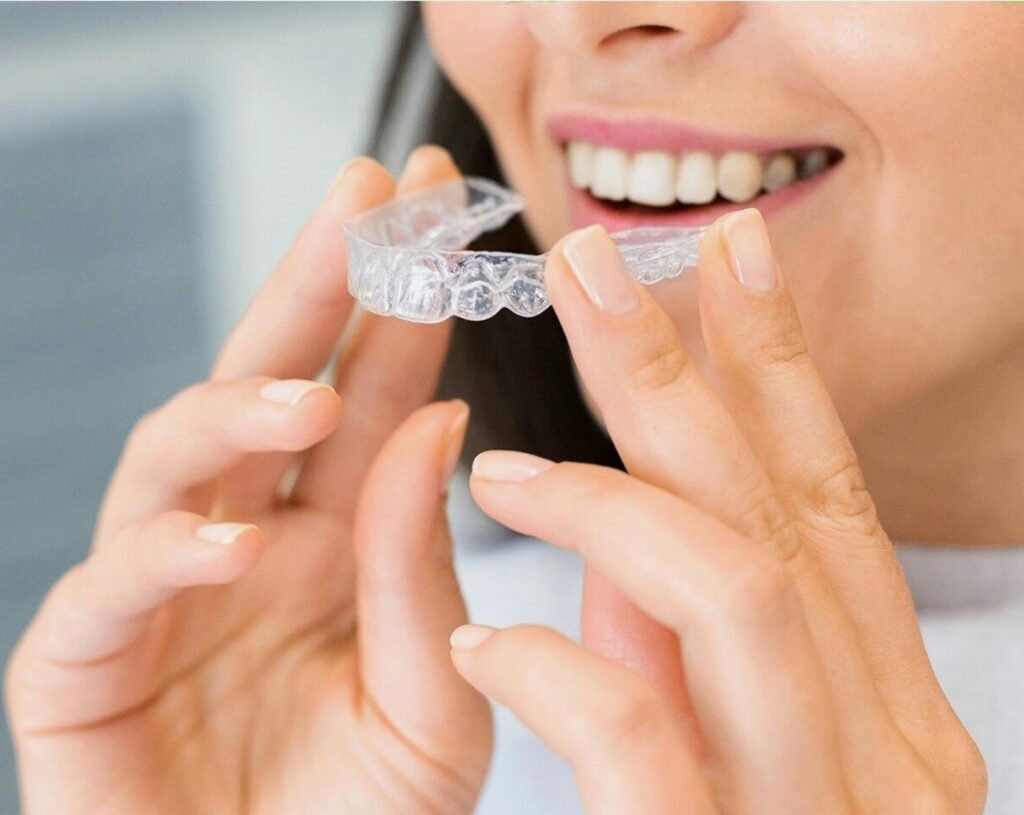
A smile can change the way a person is perceived, but more importantly, it can change the way that person feels. In cosmetic dentistry, few treatments illustrate that better than veneers. They have become one of the most requested options for patients who want a visible improvement without the complexity of full reconstructive work. That popularity is not accidental. Veneers sit at the intersection of aesthetics, predictability, and conservative treatment, which makes them appealing to both patients and clinicians when the case is right.
People rarely ask for veneers because they want a dental procedure. They ask because they are tired of hiding a chipped front tooth in photographs, tired of whitening systems that cannot lift deep internal stains, or tired of small asymmetries that pull their attention every time they look in the mirror. The motivation is often personal and specific. A patient may have worn enamel unevenly from years of grinding. Another may have naturally small lateral incisors that leave dark spaces near the corners of the smile. Someone else may have healthy teeth but dislike the shape, proportion, or color.
Veneers became popular because they can address several of those concerns at once. That versatility matters. Instead of changing only the shade or only the shape, veneers can refine the visible front surface of teeth in a controlled, tailored way. Done properly, they can create a result that looks cleaner, brighter, and more balanced without appearing artificial.
What veneers actually are
Veneers are thin coverings bonded to the front of teeth, usually the upper front teeth and sometimes the lower front teeth when aesthetics call for it. Most are made from porcelain or a tooth-colored composite resin. Their purpose is cosmetic first, though they can also restore minor wear and improve the appearance of slight structural irregularities.
Porcelain veneers are the best-known version, and for good reason. They tend to hold color well, mimic the way natural enamel reflects light, and offer excellent durability when carefully planned and maintained. Composite veneers can also be effective, especially when a patient wants a more affordable option, a same-day solution, or a conservative way to test a change before committing to porcelain. Each material has strengths and limits, and the popularity of veneers includes both types, though porcelain often dominates discussions because of its longevity and refined aesthetics.
The common misconception is that veneers are simply about making teeth very white. In practice, color is only one piece of the design. Shape, length, contour, translucency, surface texture, and how the teeth relate to the lips and face all matter. The best veneers do not announce themselves. They harmonize.
Why patients are drawn to veneers
The most obvious reason is visual improvement. Veneers can cover discoloration, close small gaps, smooth out chips, and make teeth appear straighter without changing the entire bite. Many patients like the idea of one treatment addressing multiple cosmetic complaints, especially when those complaints are concentrated in the smile zone.
Another reason is speed. Orthodontics may take months or years. Whitening may require repeated maintenance and still fail to correct tetracycline staining, fluorosis, or darkened teeth after trauma. Bonding can be useful, but it may stain or wear faster over time. Veneers often offer a relatively efficient path to a polished, stable result, particularly when the concerns are primarily on the front surfaces of teeth.
There is also a psychological element that should not be underestimated. Cosmetic dental concerns are often easy for others to dismiss and impossible for the patient to ignore. A small chip on a central incisor may look trivial clinically, yet dominate the patient’s confidence. When veneers solve that issue in a way that feels natural, the impact can be disproportionate to the size of the dental defect. That is one reason they continue to gain traction. The treatment can be subtle in the mouth and significant in everyday life.
The appeal of a highly customized result
One of the strongest reasons veneers remain popular is that they are not a one-size-fits-all product when done well. Good cosmetic dentistry depends on customization. The dentist considers facial proportions, lip line, gum display, skin tone, age, speech patterns, and how the patient wants to look. Some people want a brighter Hollywood-style smile. Others want a restrained, believable result that looks as if they were simply born with excellent teeth.
That distinction matters because cosmetic failure is not always technical. A veneer can be perfectly bonded and still look wrong if it is too opaque, too bulky, too long, or too uniform. Natural teeth have tiny irregularities. They reflect light differently at the edge than near the gumline. They change with age. Skilled veneer design respects those details.
In practice, this is often where patient enthusiasm grows. Once they understand that veneers can be designed to suit their face rather than copied from a generic template, the treatment feels less like a cosmetic shortcut and more like precision work. Mock-ups, wax-ups, and trial smiles help patients visualize the change before final placement, which reduces uncertainty and improves decision-making.
They can solve several cosmetic problems at once
Veneers are especially appealing because many smiles have layered issues rather than a single flaw. A patient may have mild crowding, uneven edges, and discoloration all in the same six teeth. Addressing each concern separately can become slow, expensive, or technically inefficient. Veneers can sometimes streamline that process.
Here are some of the concerns veneers may improve when the case is appropriate:
- Persistent staining that does not respond well to whitening
- Small chips, worn edges, or minor enamel defects
- Slight gaps between front teeth
- Teeth that appear undersized, misshapen, or uneven
- Mild visual misalignment where orthodontic movement is not essential
That last point deserves careful handling. Veneers can create the appearance of straighter teeth, but they do not replace orthodontics when bite correction or meaningful tooth movement is needed. This is one of the most important judgment calls in cosmetic dentistry. Popular treatments tend to get overextended, and veneers are no exception. They are powerful, but they are not the right answer for every crooked smile.
The balance between conservative treatment and dramatic change
Part of the attraction lies in how much visible change veneers can produce with relatively limited intervention. That said, the phrase "no-prep veneers" has created confusion. Some patients assume all veneers require little or no enamel reduction. That is not realistic in many cases. If teeth are already prominent, crowded, rotated, or thick, adding porcelain on top without proper preparation can create a bulky, unnatural result.
A better way to think about veneers is this: when planned carefully, they can be conservative compared with crowns, because they usually preserve more natural tooth structure. Crowns cover the entire tooth and require more reduction. Veneers typically involve the front surface and sometimes a wrap over the edge, depending on design. For patients with healthy teeth who need cosmetic refinement rather than full reinforcement, that difference is meaningful.
Clinically, the most satisfying cases are often those where the treatment respects the existing anatomy. Minimal yet purposeful preparation, thoughtful material selection, and strong bonding protocols can produce results that are both beautiful and biologically responsible. That balance is a major reason veneers are widely favored.
Porcelain has helped drive their reputation
Material science plays a large role in popularity. Modern porcelain can be impressively lifelike. It transmits and reflects light in a way that can resemble natural enamel far better than many people expect. That is one reason well-made porcelain veneers often avoid the flat, chalky appearance people associate with poor cosmetic work from decades past.
Porcelain also resists staining better than composite in most cases. Coffee, tea, red wine, and tobacco habits still matter, but porcelain generally maintains its color and gloss well over time. For patients who have repeatedly whitened their teeth or struggled to keep bonding looking fresh, that stability is a major selling point.
Longevity also matters. Veneers are not permanent in the sense of lasting forever, but high-quality porcelain veneers can serve well for many years. Exact lifespan varies with bite forces, habits such as grinding, home care, and the quality of the original work. In real practice, a range of roughly 10 to 15 years is often discussed, with some lasting longer and some needing replacement sooner. Patients appreciate that they are investing in something more durable than many temporary cosmetic fixes.
The treatment process feels manageable to many patients
Another reason veneers are popular is that the journey is usually understandable and finite. People tend to tolerate treatment better when they can picture the steps and the endpoint.
A typical veneer process often includes:
- Consultation, photographs, and a discussion of goals
- Smile design planning, sometimes with a mock-up or wax-up
- Tooth preparation and impressions or digital scans
- Temporary veneers while the final restorations are made
- Try-in, adjustments, and final bonding
For most patients, that sequence feels straightforward. It does not require surgery. It usually does not involve long periods of healing. There is laboratory craftsmanship involved, but from the https://dantemkio257.yousher.com/how-long-do-veneers-last-everything-you-need-to-know patient’s point of view, the process is structured and relatively predictable.
That predictability is valuable in cosmetic care. People are understandably cautious when treatment affects their appearance. They want to know what they are agreeing to. They want to preview the smile. Veneers lend themselves well to that kind of planning.
Social visibility and the camera effect
There is a practical, modern reason veneers attract so much interest: people see their own smiles more often than previous generations did. Video calls, smartphones, high-resolution photos, and social media have made front teeth more visible in daily life. Patients now notice details that once would have gone unexamined.
Dentists have seen a clear shift in consultation language over the years. Patients do not just say, "My teeth are stained." They say, "My front teeth look uneven on Zoom," or "One tooth looks darker in photos," or "My smile pulls to one side when I talk." Veneers are popular partly because they respond well to those precise aesthetic concerns.
That does not mean people are becoming vain. More often, they are becoming observant. When small cosmetic issues are repeatedly visible, they can start to feel larger. Veneers offer a way to regain a sense of control over that appearance.
Where veneers truly shine, and where they do not
The strongest veneer cases share a few themes. The patient has healthy gums, manageable bite forces, realistic expectations, and cosmetic concerns centered on visible front teeth. The teeth may be discolored, lightly worn, slightly misshapen, or mildly misaligned in appearance. In those situations, veneers can be transformative.
They are less ideal when underlying health problems are unresolved. Active gum disease, untreated decay, heavy clenching, unstable bite patterns, or poor oral hygiene can all compromise the result. Veneers also cannot make up for inadequate planning. A beautiful smile on day one means little if the margins irritate the gums or the bite chips the porcelain within months.
This is where some of the public conversation around veneers becomes too simplistic. Popularity can create the illusion that a treatment is universally suitable. It is not. Good dentists often talk patients out of veneers when another route makes more sense. Orthodontics may be better for moderate crowding. Whitening may be enough for a patient whose shape and alignment are already attractive. Bonding may be ideal for a single chip or a small gap. Sometimes the most ethical cosmetic recommendation is the least invasive one.
Cost, value, and why people still choose them
Veneers are not inexpensive. The fee reflects professional planning, lab artistry, material quality, appointment time, and the long-term responsibility that comes with altering front teeth. Costs vary by region, provider experience, and case complexity, but patients should expect veneers to represent a meaningful financial decision.
Yet many still move forward because they view the treatment through the lens of daily use rather than one-time purchase. They see their smile every day. It appears in work settings, family photos, weddings, interviews, and casual conversation. For someone who has spent years feeling self-conscious, the perceived value can be high.
That said, the best consultations include a candid discussion of maintenance and future replacement. Veneers are an investment, and informed patients deserve to understand the full arc of that investment. Cosmetic dentistry is at its best when enthusiasm is matched by clarity.
Maintenance is simple, but not optional
A common mistake is assuming veneers are immune to the same neglect that harms natural teeth. They are not. The porcelain itself will not decay, but the tooth structure underneath and around it remains vulnerable. Gum inflammation, poor brushing, and irregular cleanings can shorten the life of otherwise excellent work.
Patients with veneers usually do best when they treat them as premium restorations rather than decorative accessories. A soft brush, non-abrasive toothpaste, regular professional care, and attention to grinding habits go a long way. If someone clenches or grinds at night, a protective guard may be essential. Small problems caught early are usually manageable. Ignored problems become expensive.
One practical point often surprises patients: veneers do not eliminate the need to think about habits. Opening packages with teeth, chewing ice, biting fingernails, or chronically using front teeth as tools can damage natural enamel and veneers alike. Longevity is not just about the quality of the porcelain. It is about how the smile is used.
The role of trust in veneer popularity
People often focus on the material or the procedure, but trust is a large part of why veneers continue to rise in demand. A patient considering cosmetic dentistry is making an unusually personal decision. They are asking someone to alter a defining feature of their face. If they feel understood, if the planning is meticulous, and if the clinician listens closely to what they do and do not want, veneers become much easier to say yes to.
This trust is built through details. A dentist who explains why eight veneers may look more balanced than two, or why lowering expectations for brightness will improve realism, is usually protecting the final result. A clinician who uses temporary prototypes to test speech and appearance is not adding unnecessary steps. They are reducing risk. Patients notice that level of care, and word-of-mouth referrals often follow.
That pattern has helped veneers maintain their popularity. People do not simply recommend a procedure. They recommend an experience where they felt guided, heard, and pleased with the outcome.
Why the best veneer work often goes unnoticed
There is a paradox at the center of good cosmetic dentistry. Veneers are popular because they can create a striking improvement, yet the most successful cases rarely look obvious. Friends may say someone looks refreshed, polished, or more confident without being able to pinpoint the reason.
That subtlety is part of the appeal. Not everyone wants a dramatic smile makeover that dominates the face. Many want a result that reads as healthy and attractive, not manufactured. Veneers can deliver that when proportions are respected, edges are not overdone, and color retains some natural variation.
Poor veneer work has given the treatment a mixed public image in some circles. Overly opaque, too-white, too-large restorations can look artificial and age a face rather than enhance it. But that is not a flaw of veneers as a category. It is usually a flaw of planning, communication, or execution. The popularity of veneers persists because when the work is done properly, they can look remarkably natural.
A treatment that fits modern expectations
Veneers remain a popular choice in cosmetic dentistry because they align with what many patients want now: visible improvement, individualized design, a relatively efficient process, and results that can last. They appeal to people who want more than whitening but less than extensive reconstructive treatment. They also meet a real emotional need. A smile sits at the center of expression, and small changes there can affect comfort, confidence, and willingness to engage.
Their popularity should not be mistaken for simplicity. Veneers are technique-sensitive, case-sensitive, and highly dependent on judgment. That is precisely why they continue to occupy such an important place in cosmetic dentistry. They are not trendy because they are easy. They are valued because, in the right hands and for the right patient, they solve difficult aesthetic problems with elegance.
For patients considering a change, that is the most useful perspective. Veneers are not magic, and they are not for everyone. But when the fit is right, few treatments offer the same combination of precision, beauty, and practical impact. That combination is what keeps veneers at the center of cosmetic smile design.
Oaks Dental
Address: 5000 Parkway Calabasas Ste 308, Calabasas, CA 91302
Phone number: +18184312000
FAQ About Veneers
How much do veneers actually cost?
The cost of dental veneers typically ranges from $250 to $2,500 per tooth, with a full smile transformation averaging anywhere from $6,000 to $20,000 depending on the material you choose. Because veneers are classified as a elective cosmetic procedure, dental insurance almost never covers them.
What is the downside of having veneers?
The main downside of dental veneers is that the process is permanent and irreversible, as a dentist must shave off a thin layer of natural tooth enamel. Other major drawbacks include increased tooth sensitivity, high financial costs, and the need to replace them every 10 to 15 years.
What happens to the teeth under veneers?
When you get veneers, a dentist shaves off a thin layer of your natural tooth enamel (about 0.3 to 0.7 millimeters). The living tooth stays intact underneath, but losing this outer layer is permanent. The tooth relies on the veneer shell for lifelong protection and cannot be left bare.