Why Preventive Dentistry Starts With a General Dentist


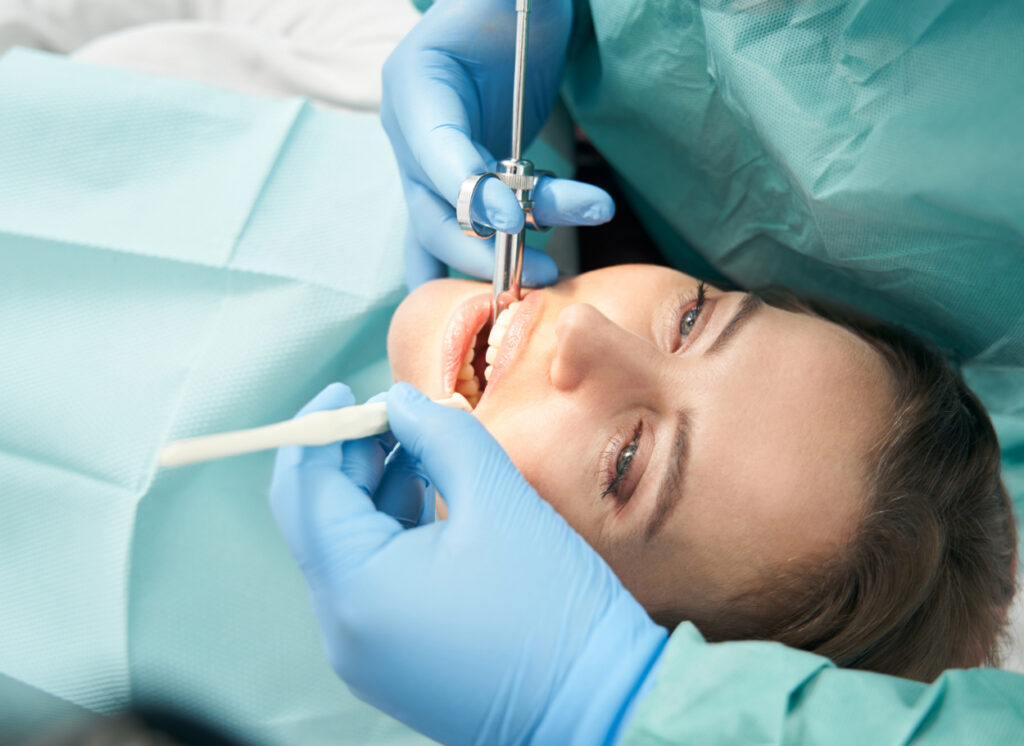
Preventive dentistry tends to get framed as a set of habits, brush well, floss daily, limit sugar, come in for cleanings. Those habits matter, but they are only part of the story. Prevention works best when someone is watching the whole picture over time, noticing subtle changes before they become expensive, painful, or difficult to reverse. That someone is usually a general dentist.
People often think of dentistry in categories. Orthodontists straighten teeth. Periodontists treat gum disease. Oral surgeons handle extractions and complex surgical work. Those distinctions are useful, but they can obscure where prevention actually begins. Most preventable dental problems do not announce themselves dramatically. They start small, a faint area of demineralization near the gumline, a filling that no longer seals the way it should, a bite pattern that slowly chips enamel, a dry mouth pattern linked to medication use, bleeding gums that the patient assumes are normal. A general dentist sees these early shifts in context, often years before they would ever justify referral to a specialist.
That long view is the backbone of preventive care. It is also the reason a good general dentist is not simply the person who “checks for cavities.” In practice, that role is much broader and more clinically important than many patients realize.
Prevention is not a product, it is a relationship
The most effective prevention in dentistry does not happen in a single appointment. It develops across repeated visits, shared observations, and small course corrections. A general dentist tracks patterns in a way that no isolated cleaning or urgent visit can.
Think about how many dental conditions unfold. Early tooth decay may be reversible if it is caught before a cavity forms. Gum inflammation may settle with better home care and professional maintenance before bone loss starts. A grinding habit may be manageable with a night guard before it fractures a molar or wears the front teeth flat. Even oral cancer screening depends on familiarity, knowing what tissue looked like six months ago and what has changed today.
A patient who sees the same general dentist regularly benefits from continuity. That continuity matters more than people think. Dental records, radiographs, periodontal charting, photographs, notes about lifestyle changes, medication updates, and bite changes create a running clinical narrative. Over a decade, that record can reveal trends that are invisible in a one-time snapshot.
A common example is recession around the gums. A patient may not notice it, because gum movement tends to be gradual. A general dentist who compares current findings with past exams can tell whether the recession has been stable for years or whether it is progressing. Those are two very different situations. One may call for observation and a few behavior adjustments. The other may signal aggressive brushing, clenching, an unstable bite, or periodontal disease that needs prompt treatment.
That kind of judgment grows out of familiarity, not guesswork.
The first line of defense is broad, not narrow
Specialists are essential in dentistry, but they focus deeply on particular areas. A general dentist works differently. The role is broad by design. That breadth is exactly what makes preventive care effective.
A routine exam with a general dentist is rarely about one issue. It is an integrated assessment of teeth, gums, restorations, bite, soft tissue, jaw function, home care patterns, diet, saliva, risk factors, and symptom changes. In a preventive setting, broad thinking catches problems that patients do not know how to connect.
For example, a patient may come in saying, “My teeth feel more sensitive lately.” Sensitivity can mean many things. It could be exposed root surfaces from recession. It could be enamel wear from nighttime grinding. It could be a cracked tooth, early decay, whitening overuse, acid erosion from diet, or dry mouth caused by a new prescription. A general dentist is trained to sort through those possibilities and identify which one fits the actual pattern.
That broad evaluation is one reason preventive dentistry starts there. The goal is not merely to identify damage. The goal is to understand why the damage is developing and to interrupt it while the fix is still simple.
In practice, simple matters. A tiny area of early decay may respond to fluoride, dietary change, and closer monitoring. The same tooth six or twelve months later might need a filling. A few years after that, it may need a crown, root canal treatment, or extraction if decay advances unchecked. The disease process is gradual. The costs, discomfort, and treatment complexity increase at each stage. Prevention is the disciplined effort to intervene at the earliest reasonable point, and the general dentist is usually the clinician positioned to do that.
Small findings have big implications
Patients sometimes leave a dental exam disappointed if they did not receive dramatic news or visible treatment. From a preventive perspective, that quiet visit is often the best possible outcome. The absence of a big procedure usually means the system is working.
Some of the most valuable moments in a general dentist’s day involve findings that seem minor at the time. A hairline fracture in a tooth with a large old filling. Slight flattening on the chewing surfaces that suggests worsening clenching. A localized pocket around one molar that could point to food trapping or an early periodontal issue. A darkening under a restoration that might indicate leakage. A tongue lesion that is probably benign but worth rechecking in two weeks if it does not resolve.
These details do not always require immediate intervention. What they require is professional judgment. Watch, document, stabilize, refer, treat, or simply reinforce home care? Preventive dentistry lives in those decisions.
There is also a practical truth that patients appreciate once they have experienced both sides of it. Early treatment is usually easier on the schedule, easier on the budget, and easier on the body. A small filling is less disruptive than a crown. Periodontal maintenance is less taxing than surgical gum treatment. A custom night guard is less expensive than repairing multiple broken teeth. Prevention does not eliminate every future problem, but it routinely reduces the scale of what patients eventually face.
Regular exams are also behavior checks
The phrase “dental hygiene” often gets reduced to technique, whether a person flosses correctly or uses an electric toothbrush. Those factors matter, but real preventive care goes further. A general dentist evaluates how daily life is affecting the mouth.
That means asking questions that may not seem obviously dental at first. Has the patient started a medication that causes dry mouth? Are they sipping sports drinks all day during training? Have they had more acid reflux symptoms? Has work stress increased to the point where jaw pain and grinding are showing up? Are they snacking frequently while working from home? Has orthodontic retainer use dropped off? Has pregnancy changed gum sensitivity or plaque accumulation? Has a change in dexterity made brushing more difficult for an older adult?
These are not side issues. They are often the real drivers of disease risk.
A general dentist sees enough variation across age groups and life stages to tailor advice in a practical way. The preventive strategy for a healthy teenager with braces is different from the strategy for a retired adult taking multiple medications, and different again for a middle-aged patient who has several crowns and a history of gum disease. Good prevention is individualized. Standard instructions are not enough.
One of the most common examples is dry mouth. Patients may dismiss it as an annoyance, but chronic low saliva flow changes the oral environment significantly. Saliva helps buffer acids, supports remineralization, and limits bacterial overgrowth. When it drops, decay risk can rise fast, especially around the roots of teeth and along restoration margins. A general dentist is often the first clinician to connect new decay patterns with medication-related dry mouth and suggest a preventive plan that actually fits the patient’s routine.
Prevention includes what patients cannot see
People are generally aware of plaque, cavities, and visible tartar. They are less aware of the problems that develop out of sight. Preventive dentistry depends on assessing those hidden areas before they produce symptoms.
Radiographs are part of that process, but so is careful clinical examination. A general dentist looks for decay between teeth, bone level changes around roots, the fit and integrity of old restorations, wear patterns, mobility, bite interference, and soft tissue changes that a mirror at home will never reveal. Many dental diseases stay silent until they are advanced enough to hurt, swell, loosen teeth, or compromise function.
Gum disease is a classic example. Early periodontal disease does not always cause pain. Some patients get used to occasional bleeding and assume it is normal. It is not. By the time teeth feel loose or gums visibly recede in a dramatic way, damage may already be significant. A general dentist measures pocket depths, tracks bleeding points, compares bone levels over time, and can tell the difference between isolated gingivitis and a more serious periodontal pattern.
The same principle applies to old dental work. Restorations age. Fillings wear, margins break down, crowns can become defective, and recurring decay can form under or around them without obvious symptoms. Patients are often surprised to learn that a tooth with a filling placed years ago now needs attention even though it “never bothered” them. That is one of the central realities of prevention. Absence of pain does not equal absence of disease.
The general dentist coordinates the entire preventive plan
There is a reason the general dentist remains the usual home base for dental care, even when specialist treatment becomes necessary. Prevention requires coordination, and coordination is difficult when no single clinician is seeing the whole mouth comprehensively.
A patient with grinding may need a night guard. A patient with progressive gum loss may benefit from periodontal referral. A child with bite development concerns may need orthodontic input. A patient with suspicious tissue changes may need evaluation by an oral surgeon or oral medicine provider. Yet the general dentist is often the person who first identifies the issue, explains the reason for referral, manages the ongoing routine care, and helps the patient understand how each piece fits into long-term prevention.
This matters because specialist treatment without general oversight can become fragmented. Teeth are part of one functional system. Bite changes affect wear. Gum health affects restoration longevity. Dry mouth affects decay risk around crowns and fillings. Orthodontic movement affects hygiene demands and retention. The general dentist is the clinician most often responsible for holding those connections together.
That coordination role also helps patients make sensible decisions. Not every crack needs a crown immediately. Not every wisdom tooth needs removal. Not every area of sensitivity requires restorative treatment. At the same time, not every “watch it” approach is wise. Knowing where intervention helps and where restraint is better is one of the most valuable forms of preventive judgment.
Frequency matters, but risk matters more
Many people grow up hearing that they should see the dentist every six months. That is a useful baseline, but it is not a law of biology. Preventive schedules should reflect risk, not habit alone.
A low-risk adult with stable gums, minimal restorations, excellent home care, and little decay history may do well on a conventional recall schedule. A patient with active periodontal disease, frequent decay, dry mouth, heavy tartar buildup, or poor plaque control may need closer follow-up. Children and teenagers often need monitoring shaped around eruption patterns, sealants, oral hygiene maturity, diet, and orthodontic appliances. Older adults may need more frequent attention because root surfaces are more vulnerable and systemic factors become more relevant.
This is where a general dentist’s judgment is especially important. Prevention is not improved by overtreatment or by unnecessary visits. It is improved by matching care intensity to actual risk. That may mean seeing one patient twice a year and another patient three or four times a year for a period. The point is not to maximize appointments. The point is to minimize disease progression.
Patients usually respond well when this is explained clearly. When they understand that visit frequency is based on specific findings rather than a generic rule, they are more likely to participate meaningfully in the plan.
Trust changes outcomes
There is a softer side of preventive dentistry that should not be underestimated. Patients tell a trusted general dentist things they might otherwise hold back, that they are afraid of treatment, embarrassed about avoiding flossing, grinding during stress, waking with jaw pain, struggling with finances, or dealing with an eating disorder, dry mouth, or tobacco use. Those conversations can reshape preventive care.
A patient who cannot tolerate long appointments may need early, incremental treatment rather than waiting until multiple problems stack up. A patient with high cavity risk and a limited budget may need a focused plan that prioritizes the most vulnerable teeth first while strengthening prevention elsewhere. A patient who has had traumatic dental experiences may need more explanation, gentler pacing, and predictable follow-up in order to keep coming back.
That is not peripheral to prevention. It is prevention. A perfectly designed care plan is useless if the patient avoids the office for three years out of fear or confusion.
General dentistry, at its best, creates the kind of clinical relationship where small concerns get mentioned early. That is how many larger problems are avoided.
What patients gain from starting with a general dentist
The value of seeing a general dentist early and regularly is not just clinical, it is practical. Patients gain a clearer understanding of their own risk, a record of how their mouth changes over time, and a more realistic path for keeping treatment manageable.
Several benefits show up repeatedly in long-term care. Early detection is one. Cost control is another. Fewer emergencies is a third. https://pastelink.net/kgja6nev Better timing of specialist referral is a fourth. The fifth, and often the least appreciated, is preservation of options. Teeth that are monitored and treated early usually leave more restorative choices on the table than teeth addressed only after severe breakdown.
A patient with a small defect may be a candidate for conservative repair. A patient who waits until the tooth splits may be deciding between extraction and a complex rebuild. The difference is not luck. It is timing.
There is also a quality-of-life component that matters. Preventive dentistry reduces interruptions. It lowers the odds of sudden pain before a trip, swelling before an important event, or a broken tooth during a busy work period. People often think of dental prevention as a way to avoid bills. It is also a way to avoid disruption.
The everyday decisions that shape long-term health
Most preventive dentistry still happens outside the office, at the sink, at the grocery store, in the medicine cabinet, during travel, in late-night snacking habits, and under stress. A general dentist cannot make those choices for a patient. What a general dentist can do is make those choices intelligible.
That means translating clinical findings into specific guidance. If recession is worsening, the answer is not merely “brush softer,” but perhaps changing brush type, pressure, angle, and timing. If enamel erosion is appearing, the answer may involve beverage frequency, rinsing habits, reflux evaluation, and delaying brushing after acid exposure. If new decay is clustering around the roots of teeth, the discussion may center on dry mouth management, prescription fluoride, and cleaning adaptations rather than generic advice.
Patients do better when the guidance matches the problem. That sounds obvious, but it is where a lot of preventive dentistry either succeeds or fails. Broad advice has limited value. Tailored advice changes behavior.
The general dentist is the clinician most likely to make that translation because the role sits at the crossroads of diagnosis, maintenance, restoration, and long-term follow-up.
Where prevention really begins
Preventive dentistry does not begin with a toothbrush, a mouthwash, or even a cleaning. It begins with someone trained to recognize risk early, connect symptoms to causes, track changes over time, and intervene before damage becomes harder to manage. For most people, that first point of contact is a general dentist.
That does not diminish the role of specialists or home care. It places them in the right order. Prevention needs a central clinician who sees the whole picture. Without that, even motivated patients can miss slow-moving problems until they become obvious. With it, small findings become opportunities rather than crises.
A strong relationship with a general dentist is not just the administrative center of dental care. It is the clinical starting point for keeping teeth, gums, and oral health stable over the long run. When prevention works the way it should, much of it feels uneventful. That quiet steadiness is not accidental. It is usually the result of consistent care, careful observation, and timely judgment, exactly the kind of work a general dentist is there to provide.
Smyle Dental Bakersfield
Address: 2016 E St, Bakersfield, CA 93301
Phone number: +16614939040
FAQ About General dentist
What does it mean by general dentist?
A general dentist is your primary dental care provider. They focus on the overall prevention, diagnosis, and treatment of your daily oral health needs. Think of them as your primary care doctor, but for your teeth and gums.
What is the difference between a dentist and a general dentist?
A dentist is a broad professional title for any licensed oral healthcare provider, while a general dentist is a specific type of primary care dentist who focuses on routine, preventive, and everyday treatments.
What is the difference between a dentistry practitioner and a dentist?
A dentist is a licensed doctoral-level healthcare professional, whereas a dental practitioner is a broader umbrella term that can include dentists as well as other trained oral health professionals.