When Facial Swelling Means You Need an Emergency Dentist

A sore tooth can wait a day sometimes. Facial swelling often cannot.
That distinction matters more than most people realize. In a dental office, swelling is one of the signs that changes the entire tone of the appointment. What might have been a routine cavity or a nagging cracked tooth becomes a same-day problem, sometimes an after-hours problem, and in the most serious cases, a medical emergency that belongs in the emergency room before it belongs in the dental chair.
People are often surprised by that. They expect severe tooth pain to be the big warning sign. Pain does matter, but swelling can be more dangerous because it suggests inflammation or infection has spread beyond the tooth itself. A swollen cheek, gumline, jaw, or area under the eye is not just a cosmetic issue. It can point to pressure building in tissues, a spreading dental abscess, or infection moving into spaces of the face where there is very little room for error.
An experienced Emergency Dentist looks at facial swelling differently from ordinary dental discomfort. The questions become more urgent. When did it start? Is it getting larger by the hour? Is it warm, firm, or tender? Do you have fever, trouble swallowing, a bad taste in your mouth, or difficulty opening your mouth? Are you feeling run down, shaky, or ill?
Those details tell a story. Sometimes the story is manageable with prompt dental treatment. Sometimes it is a clear signal that waiting overnight is a mistake.
Why swelling around the face raises concern so quickly
The mouth is full of bacteria, even in healthy people. Most of the time that is not a problem because teeth, gums, saliva, and the immune system keep things in balance. Trouble starts when bacteria gain https://www.flickr.com/people/204698476@N05/ access to deeper tissue. That often happens through a deep cavity, a crack in a tooth, advanced gum disease, or a failed dental restoration that lets infection reach the pulp, the living tissue inside the tooth.
Once infection escapes the tooth, it can move into the surrounding bone and soft tissue. At that point, what looks like a puffy cheek from the outside may represent a pocket of infection beneath the surface. Swelling is the body’s response to inflammation, but in the face and jaw, that response has consequences. Tissue planes in the head and neck allow infection to spread in directions that are not always obvious to the patient.
A small area of puffiness near a lower molar can become significant because lower molar infections tend to involve spaces under the jaw and near the throat. Upper tooth infections can push swelling toward the cheek and eye. Neither pattern is something to casually monitor for several days while hoping salt water rinses will take care of it.
The other issue is pressure. Swelling inside the mouth may make it painful to bite or speak. Swelling that extends into the cheek, lips, or under the chin can interfere with normal function. If the swelling begins affecting your ability to swallow, breathe comfortably, or open your mouth, the urgency increases sharply.
The kinds of dental problems that commonly cause facial swelling
In practice, the most common source is an abscessed tooth. That usually starts with decay that has reached the nerve, though trauma and cracks can do the same. The tooth may have hurt for days or weeks, then suddenly stop hurting as much when the nerve dies, only for swelling to appear shortly afterward. Patients often find that confusing. They think the pain fading means the problem improved. It often means the infection changed stage.
Gum infections can also cause swelling, especially around wisdom teeth that only partially erupted. Food and bacteria collect around the flap of gum tissue, the area becomes inflamed, and swelling can spread into the cheek or jaw. This is a common reason younger adults show up needing urgent care, particularly if the lower wisdom tooth is involved.
Advanced periodontal disease can produce localized swelling along the gumline, but sometimes it is more dramatic, especially when a deep pocket traps infection. A broken tooth is another frequent culprit. The fracture may be old, but once bacteria enter the inner tooth or root area, swelling can build quickly.
I have also seen swelling develop after dental treatment, which makes patients understandably nervous. Mild soreness and limited puffiness after an extraction can be normal. Swelling that worsens instead of improving, especially after two or three days, needs a closer look. A dry socket causes severe pain but usually not major facial swelling. Increasing external swelling after treatment points more toward infection or another complication.
When you should call an Emergency Dentist right away
Some swelling can wait until the next morning if it is tiny, stable, and not accompanied by pain, fever, or spreading redness. That said, people are notoriously bad at judging early dental infections. If your face looks visibly different, the safe move is to call.
Certain red flags should move you out of watch-and-wait mode and into immediate action:
- Swelling is spreading quickly over hours, or it extends toward the eye, under the jaw, or into the neck.
- You have fever, chills, nausea, or feel generally ill along with dental pain or swelling.
- You have trouble swallowing, speaking clearly, breathing comfortably, or opening your mouth.
- There is a known bad tooth, broken tooth, or recent dental procedure and the swelling is getting worse, not better.
- Pus, a foul taste, or drainage appears in the mouth, especially if pressure relief is followed by recurring swelling.
If these signs are present, an Emergency Dentist should hear about them as soon as possible. Depending on what you describe, the office may bring you in immediately or may tell you to go straight to the emergency room. That recommendation is not overcautious. Once breathing or swallowing is involved, the issue moves beyond routine dentistry.
Swelling that deserves the emergency room, not just the dental office
This is where judgment matters. Not every urgent dental problem belongs in a hospital, and emergency rooms often cannot provide definitive dental treatment like root canal therapy or extraction. But hospitals are equipped to handle complications that a dental office cannot safely manage on its own.
If swelling under the tongue or under the jaw is making it hard to swallow saliva, if your voice sounds muffled, if you cannot lie flat comfortably, if you are short of breath, or if the swelling is paired with high fever and marked weakness, go to the emergency room. The same applies if swelling around the eye interferes with vision or eye movement.
These situations raise concern for deeper space infection, rapidly progressing cellulitis, or a degree of airway risk. In those cases, the priority is stabilizing the patient, controlling the spread of infection, and protecting breathing. Dental treatment still matters, but it may come after imaging, IV antibiotics, drainage, or coordination with oral surgery or hospital staff.
A good Emergency Dentist will say this plainly. Sometimes the safest dental advice is, “Do not come here first.”
What an Emergency Dentist is trying to figure out
Patients often expect the first goal to be pain relief. It is a goal, but not the first one. First comes the source. Is the swelling coming from a single tooth, the gums, a wisdom tooth, a salivary gland, trauma, or something that is not dental at all?
That distinction matters because facial swelling is not always caused by teeth. Sinus infections can create pressure and puffiness in the face. Salivary gland blockages can swell dramatically, especially near the jaw angle or under the tongue. Skin infections, facial injuries, allergic reactions, and even cysts can imitate a dental problem. If the tooth tests and X-rays do not fit the visible swelling, a careful clinician expands the differential rather than forcing the diagnosis.
When the cause is dental, the next question is whether the tooth can be saved. A badly infected tooth may still be treatable with root canal therapy if the structure is sound and the infection is accessible. In other cases, extraction is the faster and safer path. There is no one-size-fits-all rule. Front teeth, back teeth, root fractures, prior restorations, bone support, and the patient’s overall health all shape the decision.
Then there is the issue many people do not love hearing: antibiotics alone are often not enough. They can help control bacterial spread, especially when swelling is present, but they do not remove the source. If the infection is trapped inside a dead tooth or around a damaged root, it usually returns unless the tooth is treated or removed. Temporary improvement after a course of antibiotics can create a false sense of safety. Two weeks later, the face swells again, often worse than before.
What to do while you are arranging urgent care
There are a few practical steps that help while you are trying to be seen. These are not substitutes for treatment, but they can reduce risk and discomfort in the short term.
- Call a dental office and use the word “swelling” early in the conversation. Offices tend to triage visible swelling more urgently than general pain.
- Use a cold compress on the outside of the face in short intervals if it feels soothing. Avoid heat unless a clinician specifically advises it.
- Take over-the-counter pain medication only as directed on the label, and only if you normally can take it safely.
- Stay upright rather than lying flat if that makes pressure feel worse, and keep hydrated if swallowing is comfortable.
- Do not place aspirin on the tooth or gum, and do not try to lance or squeeze the area yourself.
That last point is worth stressing. Home drainage attempts can push bacteria deeper, create additional tissue injury, and make the infection harder to assess later. I have seen small, manageable swellings become messy after people attacked them with pins, fingernails, or internet remedies.
What the appointment may involve
An urgent dental exam for swelling is usually more focused than a standard visit. The clinician will look at facial symmetry, check how far you can open, examine the gums and teeth, and assess whether the swelling feels soft, firm, or fluctuant. Temperature, pulse, and medical history may matter more than usual. If you are diabetic, immunocompromised, pregnant, or taking medications that affect healing, the threshold for aggressive treatment may be lower.
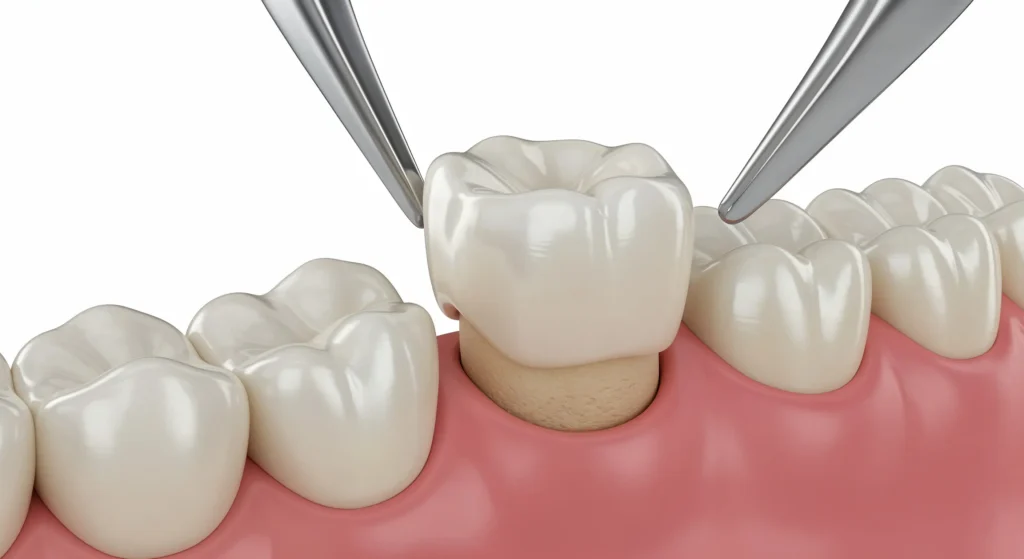
Dental X-rays are often part of the visit, but not always the whole answer. Early infections sometimes do not create dramatic radiographic changes. Conversely, the X-ray may show a long-standing problem that suddenly became acute. If the swelling is obviously of dental origin, treatment might happen the same day. That can mean opening the tooth to establish drainage, adjusting the bite if pressure is severe, draining a localized gum abscess, prescribing antibiotics when indicated, or removing the tooth if that is the clearest route to control the infection.
Patients frequently ask whether draining the swelling fixes the problem. It relieves pressure and can help reduce bacterial load, but it is part of the solution, not the whole solution. The infected source still needs definitive care.
A common mistake, waiting for the swelling to “come to a head”
People often compare a dental abscess to a pimple or boil. The thinking goes like this: once it drains, it will settle down. Sometimes an abscess does drain through the gum and the pressure eases dramatically. The patient feels better for a day or two and decides the problem solved itself.
That is rarely true.
A draining fistula, the small channel that lets pus escape, can close and reopen repeatedly. Meanwhile the infection persists around the root. This is one reason a tooth can be badly infected with surprisingly little pain at a given moment. The pressure intermittently finds a path out. The quiet period is deceptive.
Years ago, a patient came in after canceling two earlier appointments because a “bubble” on the gum had gone away each time. By the time he arrived, the swelling had shifted into his cheek and his lower eyelid looked puffy. The original tooth could have been treated much more simply weeks earlier. Instead, he needed urgent extraction, antibiotics, and close follow-up to be sure the swelling was receding as expected. That pattern is common. Delay makes small dental infections more expensive, more painful, and harder to control.
Children, older adults, and medically vulnerable patients need extra caution
Facial swelling in children deserves prompt professional attention, even when the child seems fairly comfortable. Kids can compensate well until they suddenly do not. They may also struggle to describe symptoms accurately. A child with a swollen face from a dental infection should not be parked at home for a few days with soft foods and hope.
Older adults present a different challenge. They may underreport pain, particularly if they live with chronic discomfort already. Medications, dry mouth, root decay, and older dental work all increase the chance of a problem that has been brewing quietly. Swelling in an older adult, especially one with diabetes or heart disease, can escalate faster than families expect.
Then there are people with conditions or treatments that affect immunity, including chemotherapy, transplant medications, poorly controlled diabetes, and some autoimmune therapies. In these patients, even modest-looking swelling can become serious faster. A clinician who knows the medical history will often act earlier, and for good reason.
Antibiotics help, but they are not a magic fix
It is tempting to think of facial swelling as a problem solved by a prescription. Sometimes antibiotics are absolutely indicated. They can be important when infection is spreading, when swelling is diffuse, when fever is present, or when immediate definitive treatment must be staged. But antibiotics do not reverse decay, seal fractures, or remove infected pulp tissue. Without source control, the bacteria often rebound.
There is another reason dentists try not to hand out antibiotics casually. Overuse contributes to resistance, side effects, and avoidable complications. A minor, localized dental issue with no swelling or fever may be better handled by treating the tooth directly rather than prescribing medication first. Patients sometimes interpret that as undertreatment. Often it is the opposite, direct treatment is the more definitive and responsible care.
When swelling is involved, though, the balance changes. The dentist is weighing the need to reduce spread while also planning the actual dental solution. That may be root canal therapy, extraction, incision and drainage, referral to an oral surgeon, or, in more concerning cases, hospital evaluation.
The timing question people ask most often
“How long can I wait and see if this goes down?”
If facial swelling is visible, associated with dental pain, or getting worse, the best answer is usually not long. Same day is ideal. Next day may be reasonable if the swelling is minimal, stable, and you have no systemic symptoms, but that decision is best made with a dental office after describing exactly what is happening. Sending a photo can help if the office allows it.
The worst times to delay are Friday evenings, holiday weekends, and travel days. People often try to get through those stretches with painkillers and then end up seeking care after the swelling doubles. If you suspect an abscess before a trip or before the weekend, address it early. Dental infections do not care about your schedule.
Prevention is less dramatic, but far easier
Most facial swelling from dental causes starts as something smaller, a cavity that was manageable, a cracked filling that was annoying, gum bleeding that seemed minor, a wisdom tooth that “only flares up sometimes.” Very few people wake up with major swelling out of nowhere. There is usually a lead-up period.
Regular exams help because they catch the kind of decay and fractures that become abscesses later. So does addressing intermittent pain instead of waiting for severe pain. The tooth that bothers you only when you chew ice is often the tooth that becomes the emergency.
Still, even people who are diligent can end up with sudden swelling. Fillings fail. Teeth crack. Old root canals flare. Wisdom teeth act up. The key is recognizing that facial swelling shifts the problem into a more urgent category.
If your cheek, jaw, lip, or gum is swelling and you suspect a tooth is involved, treat it like what it is, a sign that infection or inflammation may be spreading beyond the tooth itself. An Emergency Dentist would rather tell you it is less serious than you feared than see you after a preventable delay made it harder to manage.
Simple Dental South Gate
Address: 8617 California Ave, South Gate, CA 90280
Phone number: +13236896118
FAQ About Emergency Dentist Southgate CA
What can the ER do for a tooth?
The emergency room can provide temporary symptom relief for a bad tooth, such as prescribing pain medicine or antibiotics, but it cannot fix the actual dental problem.
What is the 3-3-3 rule for tooth infection?
The 3-3-3 rule for a toothache or infection typically means taking three 200 mg ibuprofen tablets (600 mg total) three times a day for no more than three days to control pain and swelling while waiting to see a dentist.
What do you do if you have a dental emergency but no dentist?
If you have a dental emergency and no regular dentist, you should search for an urgent care dental clinic, call local walk-in dental offices, or go to a hospital emergency room if you have severe bleeding, swelling, or trouble breathing.